

With the continuous advancement of smart campus initiatives, campus food safety management is also transitioning towards digital and intelligent practices. Traditional manual morning health checks are inefficient, cumbersome to document, and inadequate for modern refined management requirements. Smart morning health screeners, leveraging sensor recognition and AI technologies, enable automated health screening, providing a new solution for campus canteen food safety management.
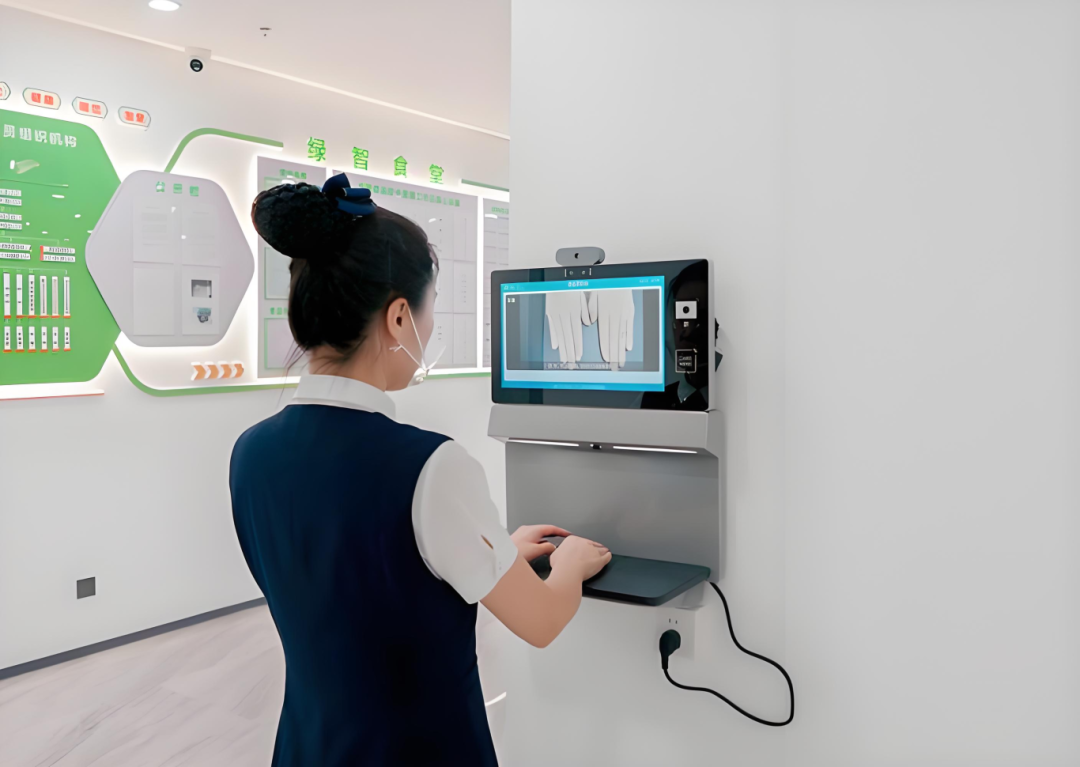
Smart morning health screeners integrate identity verification, multi-dimensional intelligent health detection, and smart data management. These functions require the hardware to deliver sufficient AI compute power, integrate sensors, cameras, displays, and multiple communication methods, while balancing detection accuracy, data storage capacity, and operational stability.
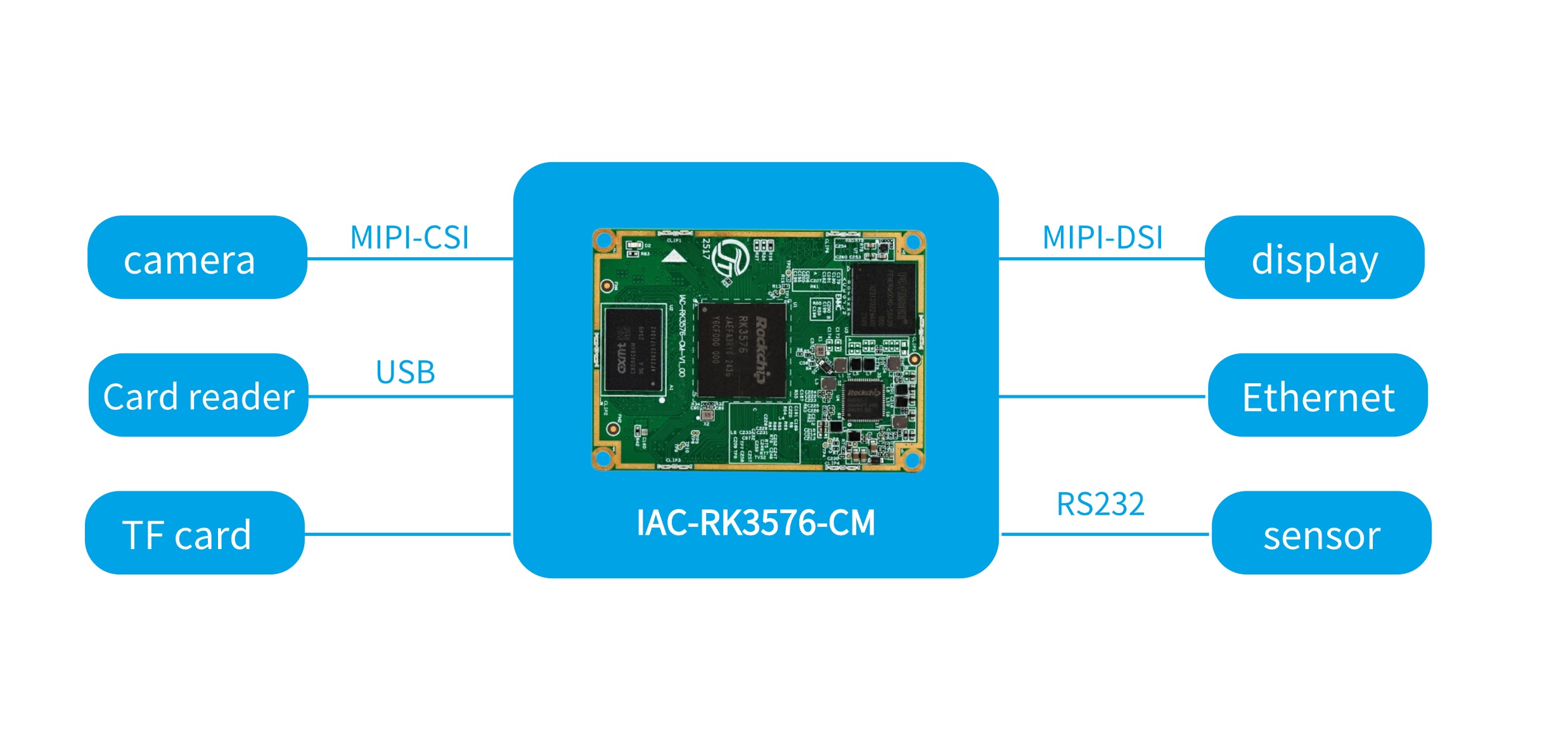
The Qiyang RK3576 SoM, based on a 4×Cortex-A72 + 4×Cortex-A53 architecture with a clock speed up to 2.2 GHz and a 6 TOPS NPU, features a rich set of peripherals and expansion interfaces, making it widely applicable to smart terminal devices.
With its 6 TOPS NPU, the Qiyang RK3576 SoM enables local, real-time multi-modal data analysis including facial recognition, infrared precision temperature measurement, and hand hygiene status assessment. It is ideally suited for high-concurrency screening scenarios like morning health checks, significantly improving screening efficiency and intelligence.
The SoM supports MIPI-DSI, eDP, and HDMI display interfaces, flexibly accommodating displays of various sizes and resolutions to meet different deployment scenarios.
Onboard dual Gigabit Ethernet ports and optional Wi-Fi module provide flexible networking, ensuring high-speed transmission of screening data, attendance records, and alert information back to the management platform.
The 4GB LPDDR4 + 32GB eMMC configuration, plus optional TF card expansion, supports smooth device operation and long-term local data storage.
A rich set of onboard interfaces—including MIPI-CSI, USB, UART, I2C, and CAN—allows connection to cameras, card readers, sensors, and other peripherals to meet the functional deployment needs of the device.

