

In today’s wave of digital transformation, the boundaries of human-computer interaction are constantly being redefined. Mobile AI digital humans leverage deeply integrated artificial intelligence, highly realistic image rendering, and interactive capabilities to create a new form of human-computer interaction.
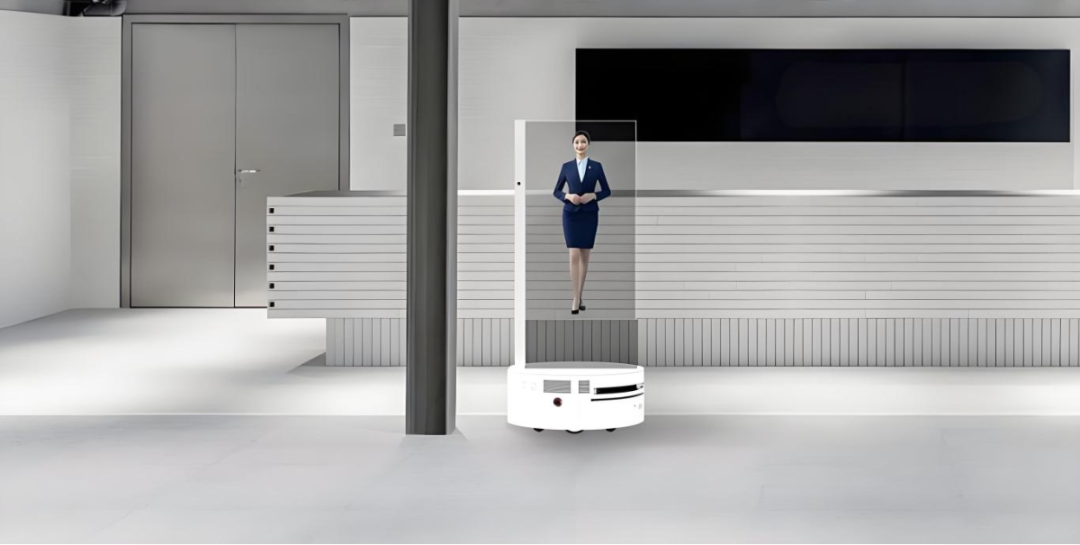
Key Control Requirements for Mobile AI Digital Humans
1. Integration of a high-performance NPU/AI acceleration module to efficiently execute inference tasks for deep learning models, such as natural language processing, computer vision, and speech recognition.
2. A rich set of interfaces and expandability to facilitate data acquisition and support additional functionalities.
3. High-refresh-rate, high-resolution dynamic image display.
4. Capability to operate reliably in complex mobile environments, including vibration and extreme temperatures.
Based on the control requirements of mobile AI digital humans, the Qiyang RK3588 core module can be selected as the device’s central processing unit. The RK3588 features an octa-core high-performance processor and a 6 TOPS NPU, providing strong support for AI algorithms to meet the needs of highly realistic digital human simulation and intelligent interaction. With a wide range of onboard interfaces, it can connect to LiDAR, depth cameras, standard cameras, microphones, and other devices to enable functions such as obstacle avoidance, path planning, and environmental perception.
(4).jpg)
The Qiyang RK3588 core module features an octa-core 64-bit processor with a 4×Cortex-A76 + 4×Cortex-A55 big.LITTLE architecture, running at up to 2.4 GHz. It integrates a 6 TOPS NPU and a Mali-G610 GPU, easily handling complex AI algorithms such as real-time perception, decision-making, and path planning. The module also supports high-resolution, high-refresh-rate visual output and dynamic image rendering, ensuring smooth responsiveness and stable operation of the device.
The core module offers multiple display interfaces, including MIPI DSI, HDMI, and eDP, supporting video output up to 4K@60Hz. It also supports up to four camera inputs with a resolution of 4×2K@120Hz, enabling high-precision user image capture and facilitating the creation of more intelligent interactive experiences.
The board provides a wide range of interfaces, including 2 Gigabit Ethernet ports, 6 USB ports, RS232, RS485, MIPI-CSI, I2C, and more, allowing connection to cameras, microphones, motor drives, and other devices. It also supports M.2 interfaces for 4G/5G and Wi-Fi modules, ensuring real-time data synchronization and efficient cloud collaboration.
An industrial-grade core module is available, capable of operating across a wide temperature range of -40°C to +85°C. It has passed vibration and interference resistance tests to ensure continuous and stable operation even in harsh and complex environments.

